How to Handle Wet Sourdough Dough
Anyone who starts baking high-hydration sourdough has the same experience sooner or later.
You confidently mix the dough, let it rest, and return expecting something smooth and easy to work with. Instead, the dough clings to your hands, stretches in every direction and refuses to behave. The harder you try to control it, the stickier it seems to become.
At that moment, it's tempting to believe you're doing everything wrong.
You're probably not.
Wet sourdough dough simply requires a different approach. Once you stop fighting it and learn how to work with it, the entire baking process becomes surprisingly enjoyable.
Don't Expect Wet Dough to Feel Like Ordinary Bread Dough
Many people compare high-hydration sourdough to sandwich bread dough.
That's the first mistake.
A dough made with 80% hydration will never feel as firm as one made with 65%. It isn't supposed to.
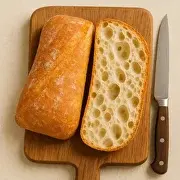
More water creates a softer dough that can expand more easily during fermentation, producing the open crumb and light texture that artisan sourdough is famous for.
If the dough feels soft, sticky and stretchy, that doesn't necessarily mean anything is wrong.
It often means you're exactly where you should be.
Let Time Do Some of the Work
One of the hardest lessons for beginners is learning to wait.
Freshly mixed dough often feels loose and messy. Many bakers immediately reach for more flour because they assume the recipe has failed.
Then, thirty minutes later, the dough begins to change.
The flour absorbs more water.
Gluten starts organizing itself.
The dough slowly becomes smoother without adding a single extra ingredient.
Patience is one of the most valuable tools in sourdough baking.
Keep Your Hands Slightly Wet
Instead of covering everything with flour, try using a little water.
Lightly damp hands slide over wet dough much more easily than dry hands covered with flour.
Many professional bakers rarely flour their hands during stretch and folds. A quick dip in water is often enough to prevent sticking while keeping the dough exactly as the recipe intended.
It's a simple trick, but it makes handling soft dough much easier.
A Bench Scraper Is Your Best Friend
You don't have to do everything with your hands.
A bench scraper allows you to lift, turn and move sticky dough without tearing it apart.
Instead of pulling the dough off the work surface, slide the scraper underneath and let it support the dough as you move it.
Once you become comfortable using a scraper, wet dough suddenly feels much less intimidating.
Gentle Movements Work Better Than Force
Sticky dough often reacts badly to rough handling.
Pulling hard usually makes it stick even more.
Confident, smooth movements are surprisingly effective.
Lift the dough gently.
Stretch only until you feel resistance.
Fold it over itself.
Then leave it alone until the next fold.
The dough becomes stronger during the resting periods, not while you're constantly handling it.
Flour the Surface, Not the Dough
Sometimes a little flour is useful.
The key is knowing where to put it.
Dusting the work surface lightly can help prevent sticking during shaping.
Covering the dough itself with large amounts of flour often creates dry patches that make shaping more difficult.
A light touch is usually all that's needed.
Build Strength Gradually
Wet dough depends heavily on gluten development.
Stretch and folds or coil folds gradually organize the gluten network without aggressive kneading.
After each fold, the dough becomes slightly stronger.
By the end of bulk fermentation, it often feels completely different from the sticky mass you mixed at the beginning.
This transformation is one of the most satisfying parts of sourdough baking.
Don't Chase Perfectly Clean Hands
Many beginners judge themselves by how messy the process feels.
Experienced bakers know better.
If your hands have a little dough on them, that's perfectly normal.
If the bench scraper gets sticky, that's normal too.
Wet sourdough isn't meant to be spotless.
Trying to keep everything perfectly clean usually leads to adding unnecessary flour and making the dough drier than intended.
Confidence Comes With Repetition
The first sticky dough can feel overwhelming.
The fifth feels manageable.
By the twentieth loaf, you'll probably wonder why it ever seemed difficult.
Working with wet dough is a skill, not a talent.
Every loaf teaches your hands something new.
Eventually, you'll stop worrying about the stickiness and start paying attention to what the dough is telling you.
Handling wet sourdough dough isn't about finding tricks to stop it sticking.
It's about understanding how the dough behaves.
Give it time.
Handle it gently.
Use water instead of excess flour.
Trust the gluten to develop.
Once you learn to work with wet dough instead of fighting it, you'll discover that some of the most beautiful sourdough loaves begin with the stickiest dough of all.
04.08.2026
See also