Sourdough Starters and Pre-Ferments: Types, Differences, and How to Choose
When you plunge into the world of artisanal baking, the vocabulary can feel overwhelming. Poolish, Biga, Levito Madre, Liquid Starter... What do all these terms mean, and how do they affect your bread?
As a professional baker with 25 years of experience, I will break down the most popular types of sourdough starters and pre-ferments simply and clearly, so you can choose the perfect method for your next loaf.
Part 1: Commercial Yeast Pre-Ferments (Flour + Water + Yeast)
If you love bread that is creamy, sweet, and has absolutely zero sourness, yeast pre-ferments are your best friend. They are incredibly stable and predictable.
1. Poolish
Originating in Poland and perfected by French bakers, Poolish is a wet pre-ferment.
- Hydration: Always 100% (equal parts flour and water by weight) mixed with a tiny pinch of commercial yeast.
- Fermentation: Usually ferments for 12–16 hours, often using a cold fermentation method in the refrigerator.
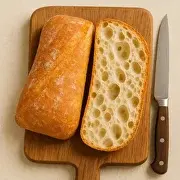
- Flavor & Texture: It gives the bread a fantastic, creamy-milky flavor and an incredibly elastic, open crumb with large holes.
- Best For: Perfect for French baguettes, ciabatta, and light white loaves.
2. Biga
Biga is the traditional Italian stiff pre-ferment.
- Hydration: Very dry, usually around 45% to 50%. It feels like a dense, tight piece of dough rather than a liquid batter.
- Flavor & Texture: Biga creates a more complex, slightly nutty flavor profile and helps the bread hold its shape perfectly, giving it a rich, aromatic crust.
- Best For: Authentic Italian ciabatta, focaccia, and rustic country breads.
3. Pâte Fermentée / Old Dough
This is simply a piece of dough saved from your previous day's baking batch, kept in the fridge, and added to the new dough mix. It brings a mature, developed flavor to quick yeast breads without extending the proofing time.
Part 2: Natural Sourdough Starters (Flour + Water + Wild Yeast/Lactobacilli)
Natural sourdough starters rely entirely on wild fermentation. They require regular feeding but reward you with complex flavors and health benefits.
1. Liquid Sourdough Starter
The most common sourdough starter used by home bakers worldwide.
- Hydration: 100% (refreshed in a 1:1 ratio of flour and water).
- Flavor Profile: Gives the bread that classic, pleasant lactic sourdough tang.
- Best For: Versatile and easy to use for rustic country loaves, sandwich bread, and sourdough pancakes.
2. Levito Madre
The famous thick, solid Italian wheat sourdough starter.
- Hydration: 50% (two parts flour to one part water). It is typically rolled, bound in cloth, or kept in water.
- Flavor Profile: Known for its mild, sweet, and rich flavor. Because of its management, it lacks the sharp, vinegary acetic acid.
- Best For: Heavy, rich sweet doughs like Panettone, Pandoro, brioches, and delicate white breads.
3. Rye Sourdough Starter
A natural starter cultivated entirely on whole rye flour.
- Characteristics: Rye flour contains more fermentable sugars and nutrients, making this starter incredibly active, robust, and fast-acting.
- Flavor Profile: Deep, earthy, rustic, and distinctively sour.
- Best For: Traditional rye and semi-rye breads, Borodinsky bread, and heavy whole-grain loaves.
01.07.2026
See also